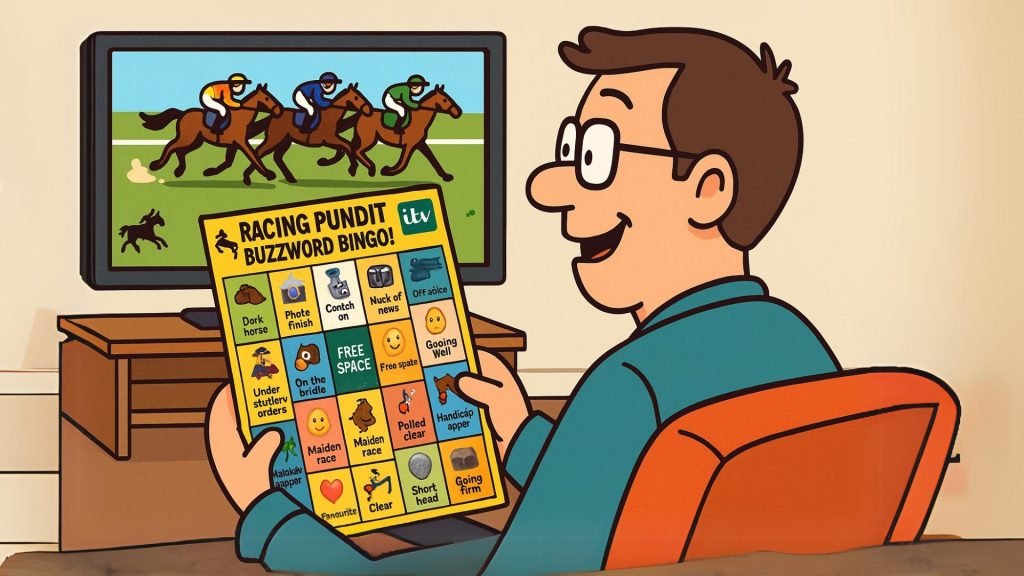
The free space on a bingo card serves both strategic and practical purposes, adding a fascinating mathematical element to this beloved game of chance.
By enhancing gameplay dynamics and influencing probabilities, the free space plays a crucial role in shaping the bingo experience. However, not all bingo versions include this feature, and these variations offer distinct challenges that appeal to a wide range of players.
Purpose of the Free Space
Located at the center of a standard 5×5 bingo card, the free space holds a unique position that dramatically reduces the time needed to complete a winning combination.
This central square is automatically marked, effectively shortening the path to victory. Positioned at the intersection of multiple lines, the free space connects to four possible winning combinations—two diagonals, one vertical, and one horizontal—offering players a head start in forming a winning line.
Games Without Free Space
While the free space is a staple in American-style 75-ball bingo, other bingo variants have removed it to increase the challenge and introduce alternative formats.
One of the most popular is 90-ball bingo, which is commonly played in the UK and Europe. Unlike the American version, 90-ball bingo cards are laid out in a 9×3 grid with five numbers per row, interspersed with blank spaces.
This format offers three winning options: completing one line, two lines, or achieving a full house. By omitting the free space, 90-ball bingo often results in a longer, more strategic game.
Another variation, 80-ball bingo, combines elements of traditional bingo with unique gameplay. With a 4×4 grid layout and no free space, this version serves as a middle ground, offering a distinct experience that demands more precise number matching.
The absence of the free space requires players to mark each square manually, which can make this version feel more intense and engaging.
In the North American context, hardway bingo presents an additional challenge by not allowing players to count the free space towards winning patterns.
Typically played as a special variation of the standard 75-ball game, hardway bingo restricts players to complete specific patterns without the help of the center square. This rule change increases the game’s difficulty level, adding a fresh twist for seasoned players.
For those seeking a faster-paced game, speed bingo, also known as 30-ball bingo, offers a compact and streamlined experience. Played on a 3×3 grid with no free space, this version prioritizes quick gameplay, making it ideal for shorter sessions.
Similarly, 36-ball bingo also omits the free space and is played on a 6×6 grid, focusing primarily on full house wins to keep the game brisk yet engaging.
Finally, 50-ball bingo brings another unique twist with its 5×2 card layout, where players aim for one line or a full house to secure a win. The absence of a free space in this version makes each called number crucial, as players have fewer opportunities to complete lines compared to more traditional formats.
Mathematical Impact
The mathematical complexity behind bingo is remarkable. In a standard American bingo card setup, the grid contains 24 numbers plus the free space. These numbers are organized across five columns labeled B-I-N-G-O, each with a designated range: B (1-15), I (16-30), N (31-45, including the free space), G (46-60), and O (61-75). With these combinations, the number of unique bingo card possibilities is staggering—approximately 552,446,474,061,128,648,601,600,000 (or 5.52×10^26).
This sheer number ensures that duplicate cards are extremely rare, even in large games, adding to the unpredictability and fairness of the game.
The free space also impacts winning probabilities. In a typical game:
- There’s about a 50% chance that a card will achieve a bingo within 41 calls.
- The odds of completing a bingo within 54 calls jump to around 90%.
This probability boost keeps the game engaging by increasing the likelihood of a win within a reasonable number of calls.
Game Dynamics
The presence or absence of a free space also shapes the dynamics of different winning patterns and probabilities. The free space in American bingo simplifies achieving patterns like horizontal, vertical, or diagonal lines.
However, complex patterns like four corners or blackout (full card coverage) require marking every square on the board, presenting a greater challenge. For example, the most chips one can place on a bingo board without achieving a bingo is 19—excluding the free space, which is automatically marked.
When multiple cards are in play, the probability of quick wins increases. For instance, in a 100-card game, it’s virtually guaranteed that a winner will emerge within 30 numbers, while even in a smaller 10-card game, a bingo is almost certain by the 50th call. This statistical predictability, balanced with the game’s inherent randomness, adds layers of excitement to multi-player bingo.
Historical Context
The free space has been a standard feature since the commercialization of bingo. In 1929, Edwin S. Lowe recognized the need to streamline gameplay, making it faster and more engaging.
To design balanced card combinations, he enlisted Carl Leffler, a mathematics professor at Columbia University, who created 6,000 unique cards. This collaboration not only established the free space as a core element of bingo but also solidified the game’s place in social and gaming circles.
Modern Applications
Today’s bingo formats continue to evolve, preserving the excitement of the game while accommodating various player preferences. Traditional 75-ball bingo still includes the free space in its familiar layout.
However, 90-ball bingo in Europe and other modern versions like 30-ball speed bingo cater to those who enjoy faster or more challenging variations. The inclusion or exclusion of the free space adds versatility, allowing players to choose formats that match their preferred pace and difficulty level.
In all its forms, the free space remains a strategic and engaging feature that aligns mathematical probability with enjoyable gameplay. This carefully crafted balance contributes to bingo’s lasting appeal as a game that is both social and mathematically intriguing.